Most retail facilities invest greatly on signage, interiors, and advertising and marketing, then deal with the land outside the front door as an afterthought. That is a missed opportunity. Thoughtful business landscaping is one of the most cost effective means to attract people in, reduce them down, and make them comfortable enough to stay and spend.
I have walked loads of underperforming facilities with proprietors that were encouraged they required a rebrand or major restoration. Typically, the bigger victories came from reshaping auto parking islands, boosting sightlines to storefronts, and producing just a few welcoming exterior minutes. The asphalt and planting beds did extra up for sale than an additional logo design refresh.
This is where commercial landscape layout and landscape building and construction converge directly with income. Succeeded, landscape is not design. It is part of the retail strategy.
Why landscape matters more for retail than for offices
A company school can get away with being a bit boring. Retail can not. Individuals choose where to go shopping based on a mix of benefit, security, convenience, and impulse. The outside establishes every one of those expectations in a couple of seconds as they roll right into the car parking lot.
Several patterns appear repeatedly.
First, individuals judge security with upkeep. If hedges are overgrown, trash is captured in plant beds, or irrigation is dripping, visitors presume comparable neglect inside your home. That can harm not only foot traffic however likewise which lessees request lease.
Second, landscape controls convenience. Shield, wind defense, noise buffering, and even regarded temperature can be shifted with smart growing. I dealt with one outdoors center where gauged pavement temperatures on summer season mid-days dropped by 15 to 18 degrees Fahrenheit after we increased canopy cover and altered reflective paving near the main entry.
Third, the exterior needs to function tougher for combined usage centers that cross over into evening dining and social usages. Ambient lights in trees, comfy seats among plantings, and clear sidewalks all contribute to for how long individuals stay on site after their first errand.
Residential landscaping and garden landscape design can be highly personal, however retail has clearer metrics. You can measure dwell time, repeat visits, and sales per square foot. When those numbers move after a landscape improvement, proprietors end up being followers very quickly.
Reading the site like a buyer, not a designer
Before delving into plant schemes or leading options, it assists to walk the site as if you had actually never seen it. Park where a consumer would. Strategy walking from transit stops and from the far side of the lot. Stroll it at various times of day if you can.
Ask straightforward questions.
Where do your eyes go first when you enter the residential property? Do you see occupant store fronts or a blank wall surface, a display of shrubs, or an out of scale monument sign?
How apparent is the front door of the facility, and after that the specific shops? I have actually seen facilities where tall ornamental lawns created a perfect aesthetic obstacle between the vehicle parking and the stores, which looked creative from a rendering yet killed impulse visits.
How does the site really feel at human scale? If the facility accommodates families, do you see risk-free, shaded walking courses, or do moms and dads with baby strollers need to dart in between bumpers throughout open drive aisles?
A quick diagnostic list for an existing retail center commonly looks like this:
- Clear, legible routes from parking or transit to major entries Sightlines to signs and store front glass not obstructed by plantings or columns At least some seats or waiting areas out of straight sunlight and away from where autos maneuver Planting that really feels deliberate and well maintained, not irregular or overgrown Lighting that makes sidewalks and planting feeling secure after dark without glare
Most older centers stop working at two or 3 of those points. That is where targeted landscape layout job can relocate the needle without tearing every little thing out.
The critical areas: where landscape has the highest impact
A normal retail center has several edges that can be beautified. Spending plan and disturbance restrictions mean you require to focus on the areas with the greatest return. From experience, 5 areas often tend to matter most.
Arrival sequence and entries
The arrival series begins at the road. The typical growings, monument sign base, and edge therapies produce a mental picture that will frame whatever else. In a sea of comparable centers, this is where visual top quality helps people remember you.
At the road edge, landscape style needs to balance exposure and character. Reduced mass growing that structures the indication and leaves clear sightlines is much more reliable than high bushes that block any type of sight of stores behind. If local codes require trees along the road, pick types and spacing that give cover without creating a solid wall of trunks before your tenants.
As visitors relocate from aesthetic cut to drive aisle and then to a parked space, develop a rhythm that leads them practically toward major entries. That commonly implies:
Short, aligned rows of car park trees, spaced so you can translucent trunks toward the shops.
Island plantings that hint at the palette utilized closer to access, tying the website together.
One or two standout functions near key entrances, such as a sculptural tree, a signature mass of flowering hedges, or a water aspect if upkeep budget plans allow.
At the structure itself, avoid littering the major walkway with planters or elevated beds that push people right into the drive lanes. I have gotten rid of a lot of ornamental pots that looked great in pictures but required awkward pinch points at doorways.
Parking lots that seem like places, not just storage
For pure profits, you need vehicles on website. For convenience and safety and security, you need those cars organized and aesthetically softened. Excellent business landscaping in a retail parking lot commonly focuses on 3 objectives: temperature level control, wayfinding, and regarded safety.
Shade is the initial priority in hot environments. Cars and trucks may tolerate sun, individuals do not. Large canopy trees grown in consistently spaced islands can make the distinction in between clients selecting your facility or a competitor throughout the road. Assuming fully grown dimensions in the 30 to 40 foot range, you can make a grid that provides overlapping shade to both car parking and main pedestrian spines.
Wayfinding functions much better with straightforward, repetitive kinds. As opposed to random island forms that staff struggle to navigate, take into consideration clear rows with islands at normal intervals. Usage regular plant groupings, colors, and even low accent wall surfaces at vital turning indicate assist motorists comprehend where main exits, access, and pedestrian courses are located.
Perceived safety comes from clear sightlines and the absence of concealing places. Prevent hedges more than about 3 feet near car doors and paths, and keep tree canopies trimmed so reduced limbs are above eye degree. This basic layered technique keeps exposure under the branches while still softening the space.
When budget allows, incorporating permeable paving or bioswales in islands can also resolve stormwater regulations. That is a classic place where landscape building, civil engineering, and long-term maintenance should straighten. The best doing systems I have actually seen are basic, with durable plant varieties that endure periodic neglect.
Plazas, forecourts, and the power of linger time
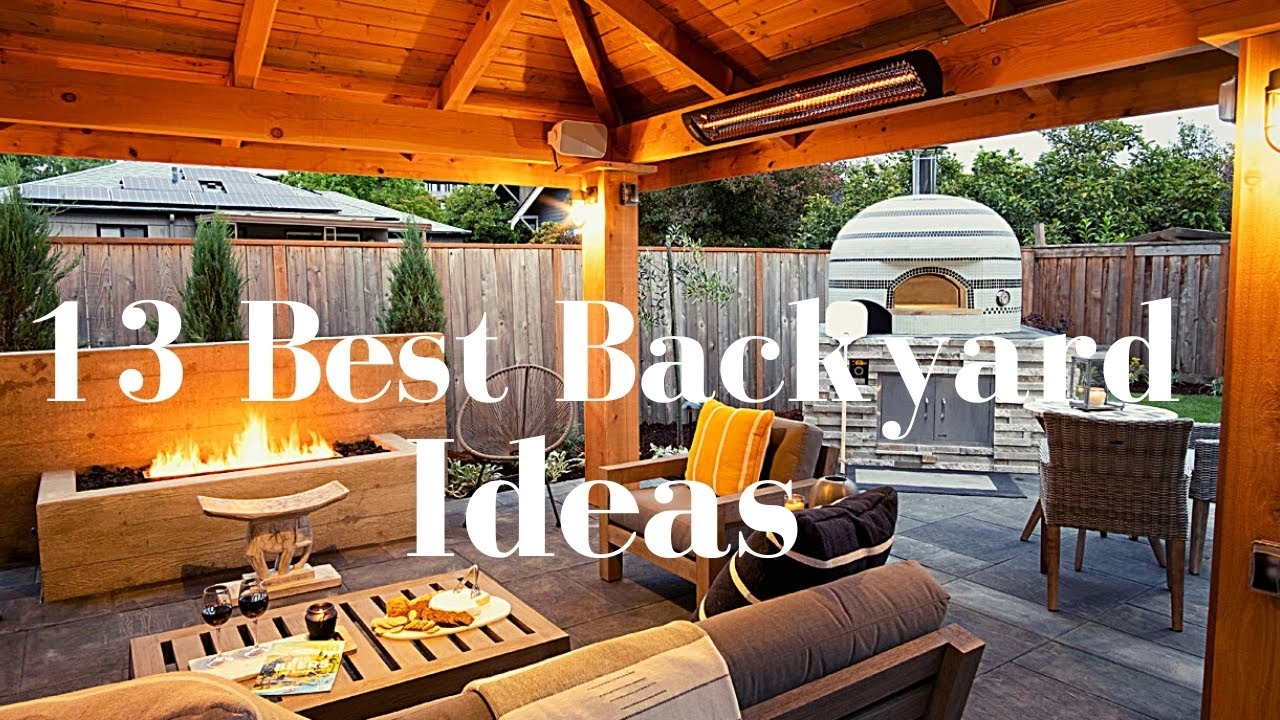
Anyplace people may linger should have more layout interest than a common buffer strip. A 600 square foot plaza at the bend of a strip center, if shaded and comfortable, can create more social networks images and casual coffee sales than a pricey art installation.
Retail plazas function best when they balance a couple of core aspects: shade, seating, sides, and activity.
Shade can originate from trees, above structures, or structure overhangs. Trees are often the most appreciated, but they require both area and long term maintenance. In limited city infill sites, a combination of trellises, material sails, and smaller decorative trees might be more realistic.
Seating ought to consist of both "perch" possibilities for fast phone checks and more comfortable spots for a shared treat. Built in seatwalls function as planters or quality transitions and decrease the number of stray movable chairs that staff demand to wrangle. I commonly blend backless and backed seating to suit a bigger variety of users.
Edges define the space. Even a narrow planter with turfs and a small blooming tree can carve out a micro space along a store front, making it seem like a location instead of a pass through.
Activity is where commercial landscaping connections back to renting technique. A small stage or increased system, power outlets, and versatile open room allow such plazas to host farmers markets, live songs, or seasonal occasions. The planting around that room needs to be long lasting enough to endure periodic crowding and foot traffic.
Planting approach that values both appearances and operations
Almost every property manager has a story about a stunning landscape that came to be an upkeep nightmare. Huge blooming cherries that required constant pruning under power lines. Unique shrubs that did not endure the initial severe winter months. Grass put where lawn mowers could not quickly reach without destructive tree trunks.
For retail facilities, the planting style should really feel charitable without becoming fussy. A lean, calculated scheme often executes much better than a visually busy mix.
I usually structure growing in retail environments in 3 tiers.
The backbone includes trees that specify drive aisles, shade key plazas, and anchor corners. These need to be regionally suitable, structurally audio, and approved by regional territories where street trees are managed. Believe in decades, not seasons. A misplaced large tree can permanently block signs, which will not be endured by tenants.
The framing layer consists of bushes and ornamental lawns, used in wide sweeps instead of separated dots. Huge drifts allow for less complicated irrigation zoning and even more flexible upkeep. Repeating the same sets throughout the residential or commercial property develops a systematic identification while restricting stock intricacy for the maintenance contractor.
The accent layer includes shade and texture near access, at focal corners, or around outdoor eating locations. This is where seasonal display screens, flowering perennials, or annual beds can turn. The blunder I see frequently is depending as well greatly on short lived or high maintenance material throughout the entire website. Limitation the high input areas to areas that genuinely influence client experience.
Garden landscaping concepts from residential work can be obtained right here in small amounts. As an example, layering heights to offer deepness, or using aromatic natural herbs along coffee shop patio areas to engage the senses. The difference is range and durability. Retail sites see more foot web traffic, shipment, and occasional abuse, so plant selections need thicker skins.
Aging centers: utilizing landscape to rearrange without rebuilding
Not every owner has the allocate a major renovation. Older centers, built with an excess of vehicle parking and little color, frequently require to freshen their image to stay affordable with newer mixed usage growths. Landscape upgrades can aid rearrange them for a portion of the price of architectural work.
A useful phased approach looks something similar to this:
- Phase 1: Address safety and security and upkeep basics, including irrigation fixings, pruning for exposure, and elimination of dead or unhealthy material Phase 2: Rework vital access attributes and major pedestrian courses, adding shade, clearer walkways, and updated planting at focal areas Phase 3: Introduce or boost plazas and outdoor seating near strong renters to motivate longer visits Phase 4: Retrofit pick car parking bays or edges for stormwater yards or amenity areas, such as small play pockets or adaptable event spaces
Each stage can be scheduled in between peak periods to limit disturbance to renters. Since many territories currently urge lowered auto parking proportions, some residential properties can even convert excess stalls right into exterior eating systems or landscape pockets that sustain new food and beverage tenants.
From an entitlement viewpoint, these modifications often certify as site renovations rather than significant redevelopments, simplifying authorizations. It is important, nonetheless, to coordinate with civil designers and code officials when modifying drainage patterns or transforming available routes.
Integrating landscape layout with brand and tenant mix
A local grocery store secured facility will want a different feel than a high-end fashion road or an area facility offering everyday requirements. The landscape must reinforce that positioning.
For value or convenience concentrated facilities, quality and performance matter the majority of. You want clear sights of shops, generous lighting, and very little barriers. Growing can still be attractive, but it must not slow people down excessively. Quick cars and truck to shop, then back once again, with a little bit of convenience for those who wait in the car.
For way of living or amusement centers, the top priority shifts towards experience. Seating spaces, water attributes, seasonal growing display screens, and curated trees can all add to a remarkable visit. These centers benefit from landscapes that picture well. Owners occasionally take too lightly how commonly a well composed outdoor corner, with distinct paving and a cover of branches, shows up in guests' social networks posts.
Tenant mix likewise influences information. Restaurants require exterior dining locations that feel protected from passing cars yet continue to be visually open enough to show energy to the rest of the facility. That commonly brings about planter based separations instead of strong wall surfaces. Fitness occupants appreciate shaded, flexible plazas where they can periodically host exterior courses. Family oriented renters worth tiny play attributes integrated into growing beds as opposed to separated plastic structures.
Strong landscape layout calls for as much paying attention to renting teams as researching the site. One of the most successful business landscape design projects I have seen involved early workshops where leasing, procedures, and layout placed all their restrictions and dreams on the table before anybody started drawing.
Coordination between layout and construction
Landscape building and construction for energetic retail sites has its very own difficulties. Shops need to stay open, parking must stay greatly readily available, and job home windows are slim. Without clear sychronisation, the best style can turn into a frustrating experience for renters and customers.
Phasing illustrations that divide high impact work into brief, well interacted home windows are crucial. For example, rebuilding the major entrance plaza may need to take place in shoulder periods, with momentary accessible courses thoroughly planned. Smaller sized growing upgrades in far-off vehicle parking areas can occur throughout more busy retail Look at more info periods, as they influence less people.
I constantly advise owners to bring the maintenance specialist into late style or very early building meetings. They will certainly point out possible accessibility problems, such as tree positionings that block lawn mowers or planter shapes that catch debris. Their input assists improve choices on soil quantities, irrigation zoning, and root barriers.
Construction information for industrial work should focus on sturdiness over delicacy. Visuals that secure planting from auto parking overhang, adequate soil depth for trees, and irrigation sleeves sized for future upgrades will certainly all pay for themselves with time. A little overbuilding at corners that take frequent vehicle hits, such as packing sides, stops constant repairs.
Lighting, innovation, and after dark comfort
Landscape is not just a daytime possession. Lots of retail centers see their ideal margins from evening eating and home entertainment. Exterior lighting and, increasingly, reduced account modern technology facilities expand the effectiveness of exterior spaces.
Good illumination makes walks feel safe and inviting without turning plazas right into severely lit phases. That generally indicates a split approach: pole lights for basic levels, bollards or in ground fixtures to specify paths, and tree or façade lighting for atmosphere. Prevent placing fixtures where they shine straight into chauffeurs' eyes or right into top floor residential windows in combined use environments.
Smart controls can allow lowering later at night, unique event scenes, or color adjustments for vacations. Simply take care not to transform the residential or commercial property into a theme park unless that absolutely fits the brand.
On the modern technology side, some owners now integrate power and information in pick landscape locations to support turn up retail, markets, or efficiencies. Conduits run under paving to discrete stands near plazas or major walks. These features are most efficient when planned from the beginning instead of pierced in later.
Measuring impact and making continuous improvements
It is not nearly enough to believe that better landscape design assists. Owners and possession managers reply to clear metrics. Prior to a renovation, collect baseline information for foot web traffic, parking use, dwell time if available, and occupant feedback. Numerous centers already use mobile phone monitoring or certificate plate surveys; landscape renovations can be layered into those analytics.
After completion, review those metrics at 6 months and again at 18 to 24 months. Try to find changes in:
Average length of stay per visit.
Distribution of check outs throughout time of day and days of the week, specifically if evening oriented rooms were added.
Heat maps of where individuals gather together or stop briefly within the site.
Leasing velocity and rent rates for spaces beside improved exterior areas.
Anecdotally, on one grocery store anchored facility where we converted a narrow, underused sidewalk into a shaded outside seating strip with small planting, both surrounding tenants saw sales upticks in the 8 to 12 percent range over the following year contrasted to center standards. Not all projects generate clear numbers like that, however tracking them constructs a more powerful case for future investments.
Continuous improvement issues. Plants expand, individuals's practices alter, and tenants evolve. Think of the landscape as a living property that needs periodic adjusting, not a fixed project that finishes when the last hedge is planted. Light replanting, furniture updates, and periodic repurposing of sides can keep the home feeling current.
Where commercial and residential know-how cross over
Many owners ask if a company that excels at residential landscape design can prosper with a retail facility, or vice versa. They run in various worlds, however some abilities convert well.
Residential designers and yard landscape design experts usually bring a strong feeling of intimacy, detail, and growing nuance. That can enhance little plazas, café patio areas, and pedestrian scaled spaces within a retail task. The caveat is that they need to accept the functional realities of business websites: greater foot website traffic, stricter availability policies, and tighter maintenance budgets.
Commercial landscaping companies normally stand out at big range grading, growing, and framework, with tested processes for landscape building and construction throughout large sites. Their difficulty is to prevent a default "company campus" look that really feels too generic or clean and sterile for an appealing retail experience. Partnership between the two way of thinkings can produce several of the most engaging retail environments.
At completion of the day, the goal is the same: outside areas that feel comfortable, understandable, and worth returning to. For retail centers, the metric of success is straightforward. If consumers choose your area since it really feels better from the moment they get in the parking lot, the landscape layout is doing its job.